Getting Started with Automated Peptide Synthesis
Peptide synthesis, an integral component of life sciences and drug discovery, has undergone a remarkable evolution. The routine use of automated peptide synthesizers has elevated the efficiency and reproducibility of this once labor-intensive process. This article will explore the fundamentals of automated peptide synthesis, its associated principles, and the innovative technologies that have revolutionized modern workflows.
Understanding Automated Peptide Synthesis
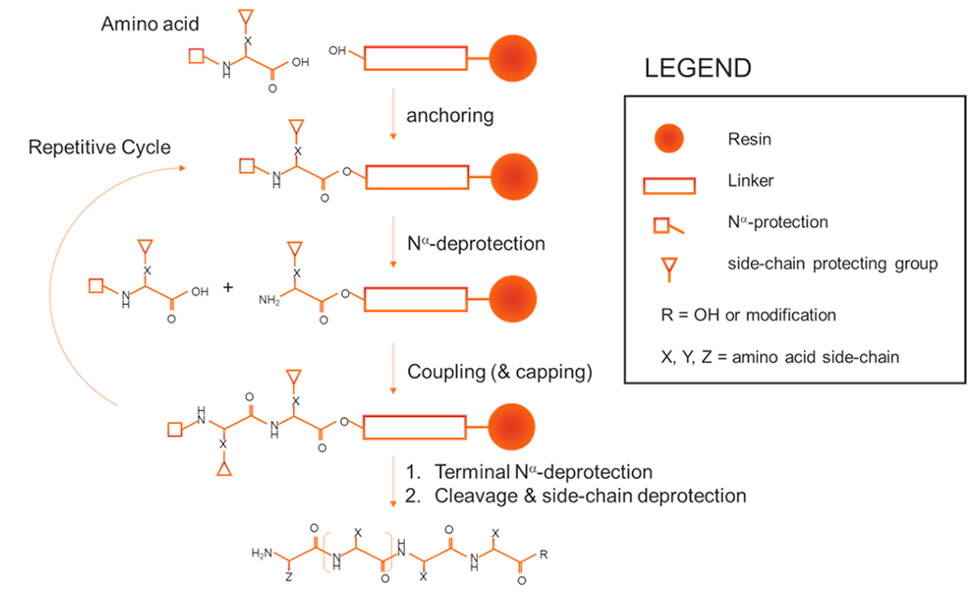
Automated peptide synthesis utilizes robotic systems and chemically robust protocols to streamline peptide production. This approach builds upon the foundation of Solid-Phase Peptide Synthesis, SPPS, a groundbreaking technology introduced by Bruce Merrifield. SPPS enables the stepwise construction of peptides anchored to a solid substrate, facilitating easy removal of unreacted reagents.
Core Principles and Benefits of Automation
Automation of SPPS has transformed peptide science by standardizing the deprotection, coupling, and washing steps into precise, repeatable cycles. This ensures reliable outcomes, minimal human error, and time savings while supporting parallel synthesis for high-throughput applications.
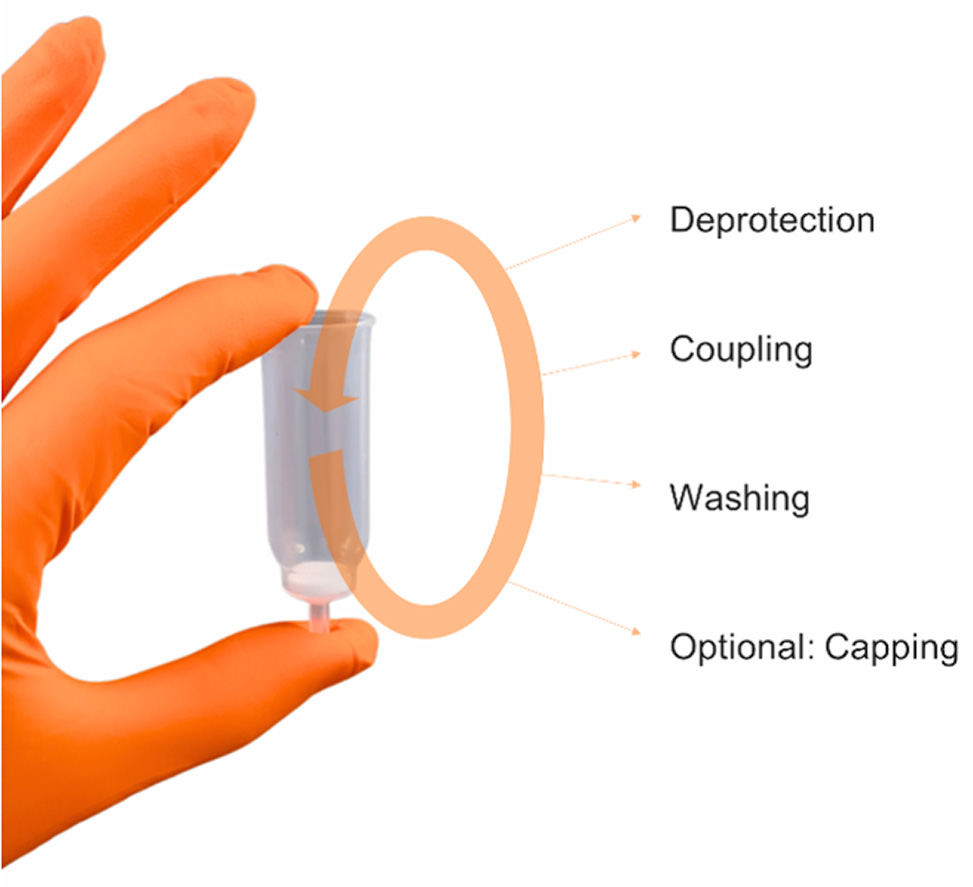
The benefits of automation are vast:
- Reduction of Manual Labor: High-tech systems require minimal human intervention, freeing researchers for other essential tasks.
- Walk-Away Operations: Once configured, automated synthesizers can continuously operate without supervision.
- Reproducibility: Automation eliminates variability across synthesis runs and users.
- Parallel Processing: Allows multiple syntheses to occur simultaneously, thereby increasing throughput.
Components Enhancing Automation Success
Three core pillars are essential for successful synthesis automation:

1. SYSTEMThe sophistication of modern systems stems from precise fluid handling, specialized reaction vessels, and application-specific features such as microfluidics and temperature control. System robustness is vital for enduring high-performance standards and long-term use.

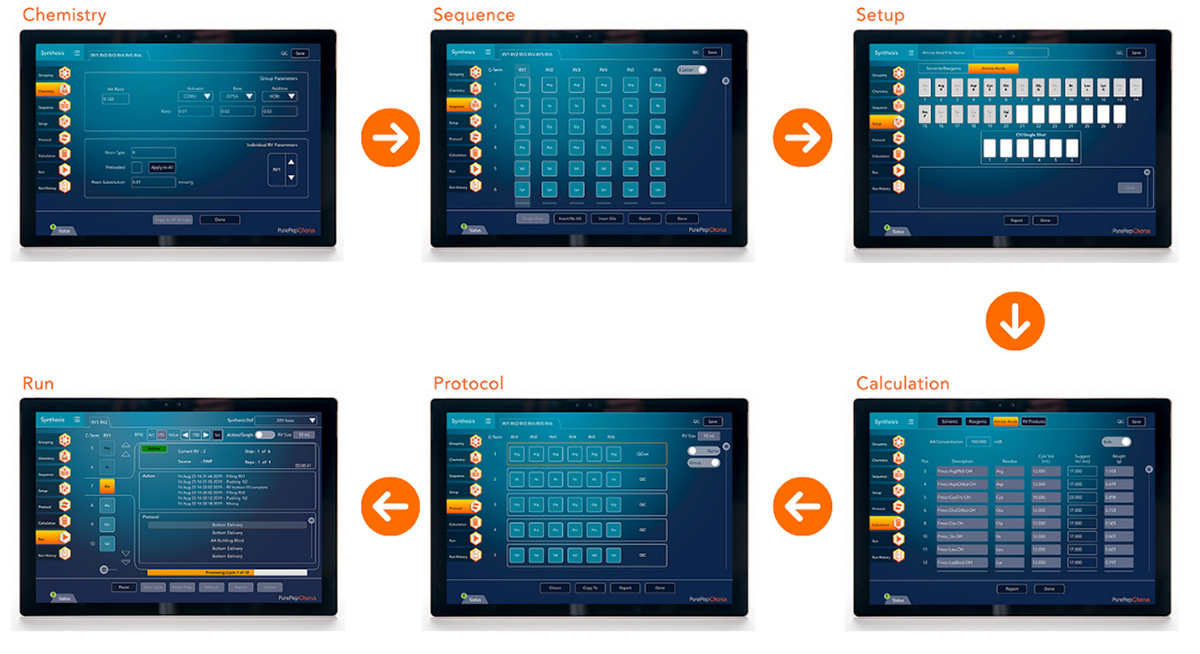
2. SOFTWARESoftware functionality extends beyond hardware control. Advanced interfaces enable real-time monitoring, smart protocol customization, safety checks, and predictive alerts. These features optimize reaction conditions and safeguard synthesis integrity.

3. SERVICEExpert guidance and comprehensive maintenance plans ensure long-term system optimization. Dedicated service support aids in initial setup, troubleshooting, and ongoing upgrades, enabling users to maximize their instrument’s potential.
Role of Fluidic Design in Automation
Fluidic design directly impacts system reliability and synthesis quality. Minimizing dead volume and employing chemically inert components reduce reagent waste and prevent cross-contamination. Precise microfluidic channels ensure the accurate delivery of each reagent, making fluidic design a critical aspect of optimizing automation.
Furthermore, high material resistance with chemically inert components endures harsh reagents and conditions, ensuring a long system lifetime.
Heating Capabilities
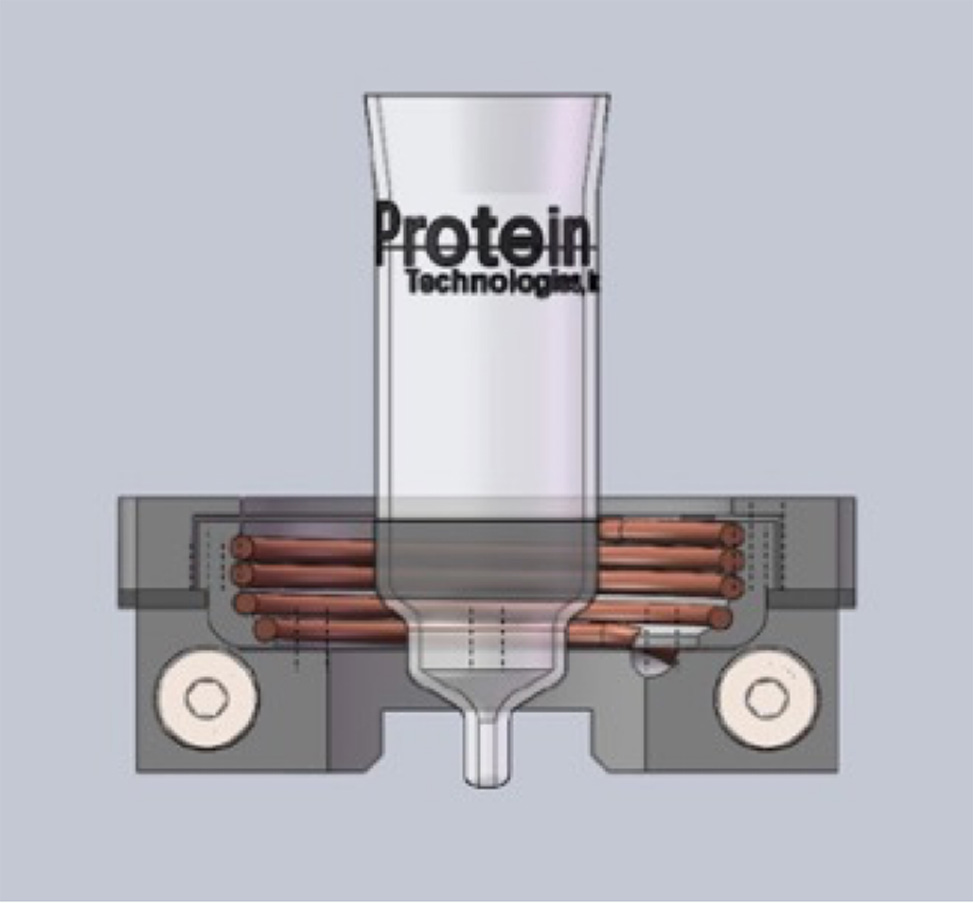
Automated peptide synthesizers incorporate diverse heating capabilities, such as induction heating, see Figure 3, to address specific synthesis requirements. Enhanced temperature control enables accelerated coupling reactions, which is particularly beneficial for difficult sequences with sterically hindered residues. The integration of programmable heating cycles with synthesis protocols allows for customized thermal profiles optimized for specific amino acid combinations, significantly improving overall yield and purity. See Table 1, below.

Integration of Advanced Features
Innovations like real-time UV monitoring enable users to track critical reaction parameters, ensuring the highest quality outcomes. Additional features like integrated purification and automated cleavage tools integrate seamlessly into workflows, reducing manual intervention.
Software for Enhanced Monitoring and Protocol Management
Automated synthesizers excel due to their advanced software capabilities, Figure 4. These include:
- Protocol Management: Generate complex synthesis protocols tailored to project-specific needs.
- Resource Optimization: Smart calculations ensure efficient use of reagents and reduce costs.
- Real-Time Monitoring: Continuously track reaction progress remotely and receive critical alerts.
- User Security: Enhanced record-keeping ensures compliance with industry regulations, facilitating data integrity across all synthesis steps.
- Innovation Ready: The software’s capabilities to flexibly control the movement of reagents and solvents allow novel chemistry automation, for example, with new green synthesis protocols or synthesis beyond peptides, such as oligonucleotides, peptide-nucleic acids, peptoids, foldamers, et cetera.
Scaling Capabilities
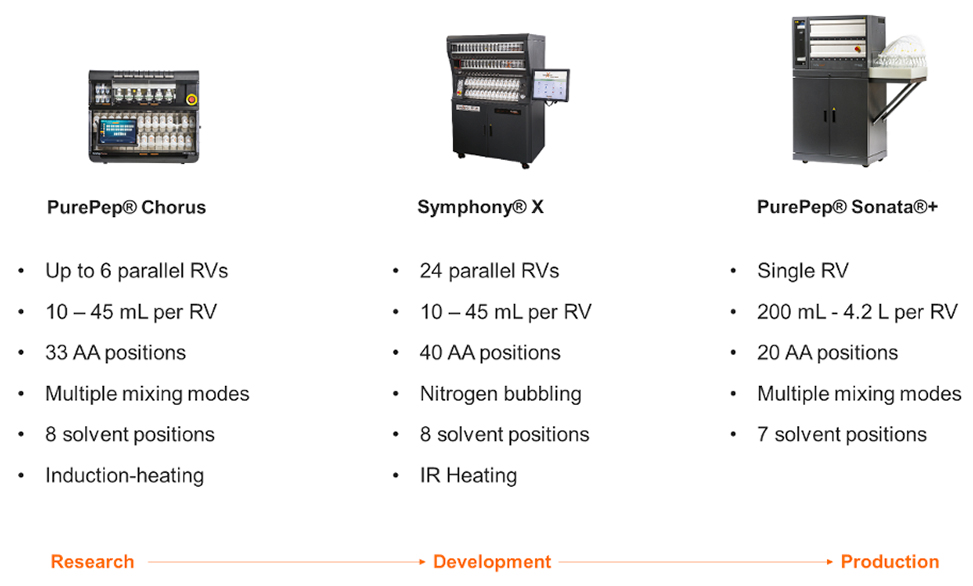
Different automated platforms cater to diverse operational needs, ranging from flexible, small-scale research setups to high-volume industrial production systems. Research-focused systems prioritize smaller reaction vessels and enhanced flexibility, whereas production-scale platforms offer scalability combined with streamlined workflows, see Figure 5.